
Here are the critical things I learned in my journey to better health.
- Exercise – I was taught to do a morning workout 5 days a week. I typically get up at around 6 am and go to my workout area in my house. I have dumbbells, a bench, bands, a floor mat, a kettlebell handle to attached to a dumbbell for use as a kettlebell, and a Total Gym. I workout for 35 to 60 minutes a day depending on the routine I choose.
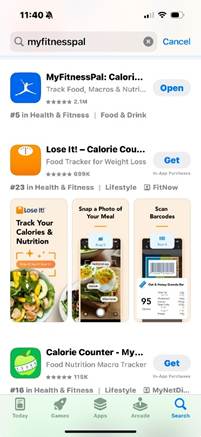
- Food – I was taught to watch my calorie intake and, just as important, my macro nutrient mix. This is really where the magic happens. My first coach called it “the magic of macros”. I was 69 years old when I started; 198 pounds; and had high blood pressure. My coach started me on 1850 calories a day – 35% protein; 30% carbohydrates; 35% fat. I started at 1850 calories a day which was broken down to 162g protein; 139g carbs; 72g fat. They increased my calorie intake to 1950; then again to 2150; then t0 2300. I reduced it to 2200 in the early winter of 2024-2025. I am now at 2200 calories – 193g protein; 164g carbs; 86g fat. You will likely find, as I did, that meeting the protein intake goal is the hardest. I find that I need 2 to 3 scoops of whey protein power every day. One is in my morning smoothie and one or two later in the day, sometimes with dinner. Sometimes I have a cup of yogurt with one scoop of whey mixed in. I use the MyFitnessPal app to track all my food and drink intake. I stuck strictly to my goals for the first 6 months of my training. Now, occasionally (especially when on a vacation) I just do my best to be careful but loosen up my habits a little. Probably not the best new habit I have but I am watching to keep my weight between 163 and 166 pounds. Using this app was critical to my success.
- Movement – I was taught to target around 7,000 to 8,000 steps per day. Walking is great.
- Hydration – I was way under in the amount of water they wanted me to drink so I had to really work to get my intake up to 64 ounces a day. This is still low for what I probably should drink. My first 32 ounces include hydration mix. I am currently using ReLyte and buy it on amazon.com. The basic rule of thumb is to drink one ounce water per kg of body weight. There are 2.2 lbs per kg so at 163 lbs, that would be 74 kg or 74ounces of water.
- Gut health – I was also being tested for my gut health. You could visit a practitioner to get blood and/or urine tests to find out about your gut health or just take pro-biotics and a few standard supplements to help your digestive tract. Here is a good reference for gut health – https://imahealth.org/guide-tags/gut-health/
- My meals typically consist of:
- a smoothie for breakfast – 1 cup almond milk; 1 banana; 2 tbsp flax seed; 1 cup raw spinach; 1 cup frozen berries (mixed); 2 tbsp peanut butter; 1 scoop Gold Standard French Vanilla Whey Protein powder.
- Lunch: Homemade soup in winter (2.5 cups); salad in summer, with 5 ounces skinless chicken. Only 3 tbsp of balsamic vinaigrette dressing.
- Afternoon snack (sometimes): cup of Chobani Zero yogurt with one scoop Gold Standard Whey protein powder mixed in.
- Dinner: A lot of meat, some starch (maybe 1 medium potato), 1.5 cups fresh, cooked vegetables.
- After dinner snack if I didn’t meet my goals – if carbs a low, white popcorn from Market Basket (white popcorn is better macros than yellow popcorn). If protein is low, maybe some beef or turkey jerky – Jack Links Teriyaki seems to have the highest protein and lowest fat. If I need a little fat, almonds or walnuts. Be careful here. Nuts will supply more calories from fat than you will probably think. Track it!
I cannot stress enough how important it is to enter all food as accurately a possible in the MyFitnessPal app. A glass of wine is 153 calories and zero protein or fat. There is a tiny amount of carbs, but alcohol is the real driver of calories here. Alcohol is the fourth macro nutrient! Read here: https://www.visionpersonaltraining.com/expert-hub/expert-articles/health-and-nutrition/the-4th-macronutrient-alcohol